
Google Ads5 min read
Google Ads for Small Business: A Beginner's Guide
How Google Ads works, how to set up a first campaign that brings enquiries and the mistakes that waste a small budget.
We use necessary cookies to make the site work. With your permission, we'd also like to use analytics cookies to see how people use the site, and advertising cookies to measure our ads. You can change your mind at any time. Cookie policy
Our UI/UX design services in Trichy start with how people actually use your site. We design layouts and journeys from real behaviour, then test them before development.
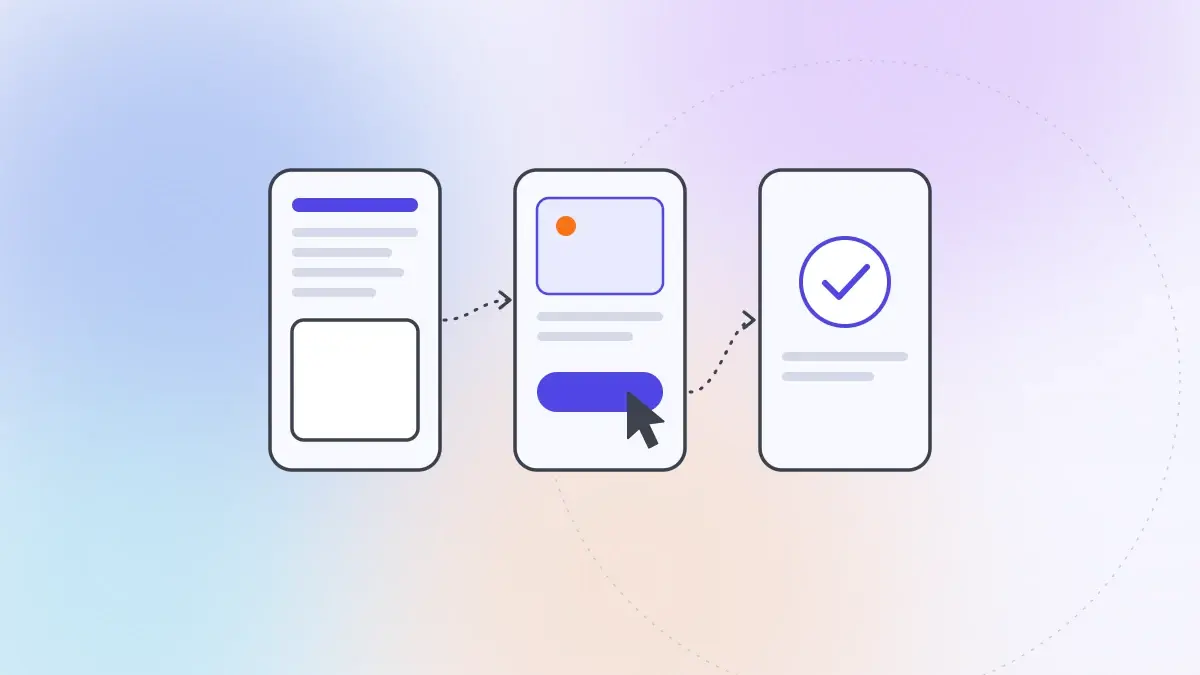
UI/UX design shapes how a website or app looks and how it feels to use. UX covers the journeys and structure that help people reach their goal; UI covers the layouts, colours and components they see. Our UI/UX design services in India bring the two together through research, wireframes, prototypes and testing.
As a UI/UX design company in India that works next to developers and marketers, we design for real use. We watch how people behave, test ideas before they are built and hand over files developers can build from without guessing.
Good looking pages can still lose customers. If people can't find the next step, don't trust what they see or struggle on a phone, they leave. We study how people actually use your site or product, then design screens that make the right action the easy one.
UI/UX design suits websites and apps where visitors drop off before acting, teams planning a redesign, startups shaping a first product, clinics and wellness brands with booking journeys, and online stores with long checkouts. It also helps when several people have worked on a site over the years and it no longer feels like one product.
Here is what good UI/UX design gives your business.
When screens are clear and the next step is obvious, more visitors finish what they started, whether that's booking, buying or enquiring.
Fixing a design in a prototype costs a fraction of rebuilding a live product. Testing early finds problems while they're still cheap to fix.
A design system keeps buttons, colours and layouts the same across every page, which builds trust and speeds up future work.
Good contrast, readable type and clear structure help everyone, including people with disabilities and anyone on a small screen.
Our user experience design services run from research to handover.
We review analytics, talk to your team and, where possible, your customers, to learn who uses your product and where they struggle.
Content organised and journeys mapped in simple layouts, so the structure is agreed before any visual design begins.
Screens designed in your brand's style, with care for hierarchy, spacing and readability on every screen size.
Wireframing and prototyping go hand in hand: you get a clickable prototype that behaves like the real product, ready to test and share with your team.
A library of reusable components, colours and type styles, so new pages stay consistent and developers build faster.
Our usability testing services put the prototype in front of real people. We note where they hesitate or fail and fix it before development starts.
Tools: Figma for design and prototyping, and Google Analytics 4 or heatmaps to see how people behave on a live site. For accessibility we follow the Web Content Accessibility Guidelines (WCAG) (opens in a new tab), the international standard.
We study how people use your current site or product and talk to your team about customers and goals. We list the main tasks users need to complete, so every design decision has a reason.
We map each page and journey in plain layouts, so you agree the structure before any colour or imagery. Keeping them plain keeps feedback on what matters.
We design the screens and build a clickable prototype you can open on a phone or a laptop.
We test the prototype with real users, refine it and hand over organised files your developers can build from, plus a short report ranking issues by severity.
Five measures, checked during testing and again after launch.
How many test users finish a key task, such as booking or checkout.
How long a task takes; slow usually means confusing.
The change in enquiries, bookings or sales after the new design goes live.
Where people leave a journey, found in analytics and session recordings.
Contrast, text size and keyboard use, checked against WCAG.
Design choices rest on how people use your product, from analytics, research and testing, not on personal taste.
Our designers work with our developers from day one, so designs are realistic, fast to load and easy to build.
You see a clickable prototype and real user feedback before development starts, which cuts the risk of costly changes later.
UX is how a product works and feels to use: the journeys, the structure and the ease. UI is how it looks: layout, colour, type and components. Good design needs both, and we handle them together.
Yes. We design websites, web apps and mobile interfaces, always starting with the smallest screen, and we check designs on real devices before they reach development.
Yes. Our development team can build the design in Next.js with a headless CMS, so nothing is lost in handover. You can also take the design files to your own developers if you prefer.
Because changing a prototype is far cheaper than changing finished code. UX design settles structure, journeys and content first, so developers build the right thing once.
Yes. We keep what already works and redesign the parts that cause problems. That protects the search traffic and customer habits you've already built.
It depends on the size of the product and how much research and testing it needs. Your proposal includes a schedule with review points for each stage.
A design system is a library of reusable parts, such as buttons, colours, type styles and layouts, with rules for using them. It keeps your product consistent and makes design and development faster.
Access to your current site or product, and analytics if you have them. Your goals and the main tasks users should complete. Any customer feedback, complaints or common support questions. And the people who need to approve designs.
 Healthcare and wellness
A calm luxury spa website with a therapy menu explorer and live therapist booking
 Healthcare
A patient acquisition website with a smile makeover visualiser and local SEO for a multispecialty clinic
 Software and IT
A SaaS website for developers, with an interactive API playground and an enterprise demo booking flow
 Real estate
A managed farmland website with a plot availability map and a weekend estate tour booking funnel
Practical advice from the team that does the work.
Google Ads5 min read
How Google Ads works, how to set up a first campaign that brings enquiries and the mistakes that waste a small budget.
Digital marketing5 min read
A plain explanation of what a marketing agency actually does each week, who does the work and what you should get back in return.
SEO4 min read
When someone searches for a service near them, Google decides who appears. Here is how that works and what you can do to be one of the businesses shown.
Design pays off when it's built and promoted well. See our website design and development, SEO and branding services. Tell us about your product and who it's for, and we'll send a free proposal showing how we'd approach the design.
UI/UX design shapes how a website or app looks and how it feels to use. UX covers the journeys and structure that help people reach their goal; UI covers the layouts, colours and components they see. Our UI/UX design services in India bring the two together through research, wireframes, prototypes and testing.
As a UI/UX design company in India that works next to developers and marketers, we design for real use. We watch how people behave, test ideas before they are built and hand over files developers can build from without guessing.