
Websites4 min read
How to Build a Website That Converts Visitors Into Enquiries
The parts of a website that turn visitors into enquiries: clear messages, trust, easy contact options and speed.
We use necessary cookies to make the site work. With your permission, we'd also like to use analytics cookies to see how people use the site, and advertising cookies to measure our ads. You can change your mind at any time. Cookie policy
Should your ads send people to your website or to a dedicated landing page? This guide compares landing page vs website, explains what each does best and shows how to use both together for better results.
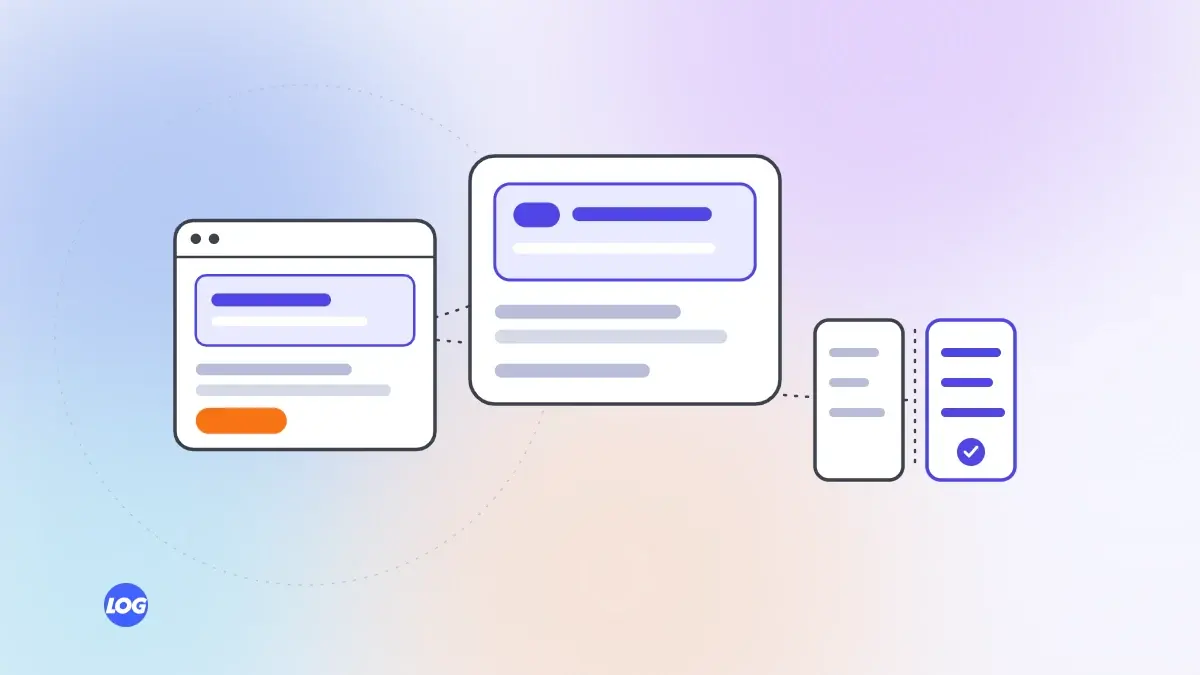
When businesses start advertising, they often send every click to their home page. Then they wonder why few people enquire. The question of landing page vs website comes down to purpose: a website serves many kinds of visitor, while a landing page is built for one audience, one offer and one action.
Your main website is your business's home online. It:
That breadth is valuable, but it also means visitors from an ad have to find their own way to what they came for.
A landing page is a single page built for a specific campaign. It:
Because visitors see exactly what they clicked for, landing pages often convert paid traffic better.
Landing pages should look like part of your business, with the same logo, colours and tone, so visitors trust them. Include contact details and links to your privacy policy.
Campaign landing pages are usually kept out of search results if they duplicate content from your main site, to avoid competing with your own pages. Your service pages handle search; landing pages handle campaigns.
Before spending a large budget, run a smaller campaign to the landing page and watch what happens. If many people click but few enquire, test changes one at a time, such as the headline, the offer or the form length, until the enquiry rate improves. Then increase the budget with confidence.
The strongest setup uses both: a full website that builds trust and ranks in search, and focused landing pages for each major campaign. Visitors who want more can still reach your main site from the landing page footer.
A digital marketing ad agency should be able to build or advise on landing pages, not just ads. Our website design and development team builds landing pages alongside our ads team, so pages and campaigns match.
For paid campaigns, we usually build a dedicated landing page for each main service or offer, matched to the ads and with one clear action. Pages that duplicate the main site are kept out of search results, so they do not compete with service pages.
We track every enquiry from each page and test one change at a time. For brand searches and visitors exploring several services, we send people to the main site.
A website has many pages for many purposes and visitors. A landing page is a single page built for one campaign, audience and action, with fewer distractions.
For important services and offers, a dedicated landing page usually converts better than a home page. A well-built service page that matches the ad can also work.
For a single campaign or event, sometimes. For a lasting business presence, no. A full website builds trust and ranks in search for many topics.
Campaign pages that duplicate your main site are usually kept out of search, to avoid competing with your own service pages. Unique, useful landing pages can be indexed.
Usually one for each main service, offer or audience you advertise to. Start with your biggest campaigns and add more as you learn what works.
Websites4 min read
The parts of a website that turn visitors into enquiries: clear messages, trust, easy contact options and speed.
Websites4 min read
A fair comparison of Next.js and WordPress for business websites: speed, editing, security, flexibility and cost.
Websites4 min read
Why speed affects enquiries and rankings, how to test it properly and the fixes that make the biggest difference.