

Performance marketing4 min read
What Does a Digital Marketing Ad Agency Do? A Look Inside
The planning, creative, tracking, testing and reporting that happen behind every well-run paid campaign.
We use necessary cookies to make the site work. With your permission, we'd also like to use analytics cookies to see how people use the site, and advertising cookies to measure our ads. You can change your mind at any time. Cookie policy
Many businesses get plenty of leads from ads but few customers. Improving lead quality often matters more than lowering the cost per lead. This guide explains why poor leads happen and the practical steps that bring better ones.
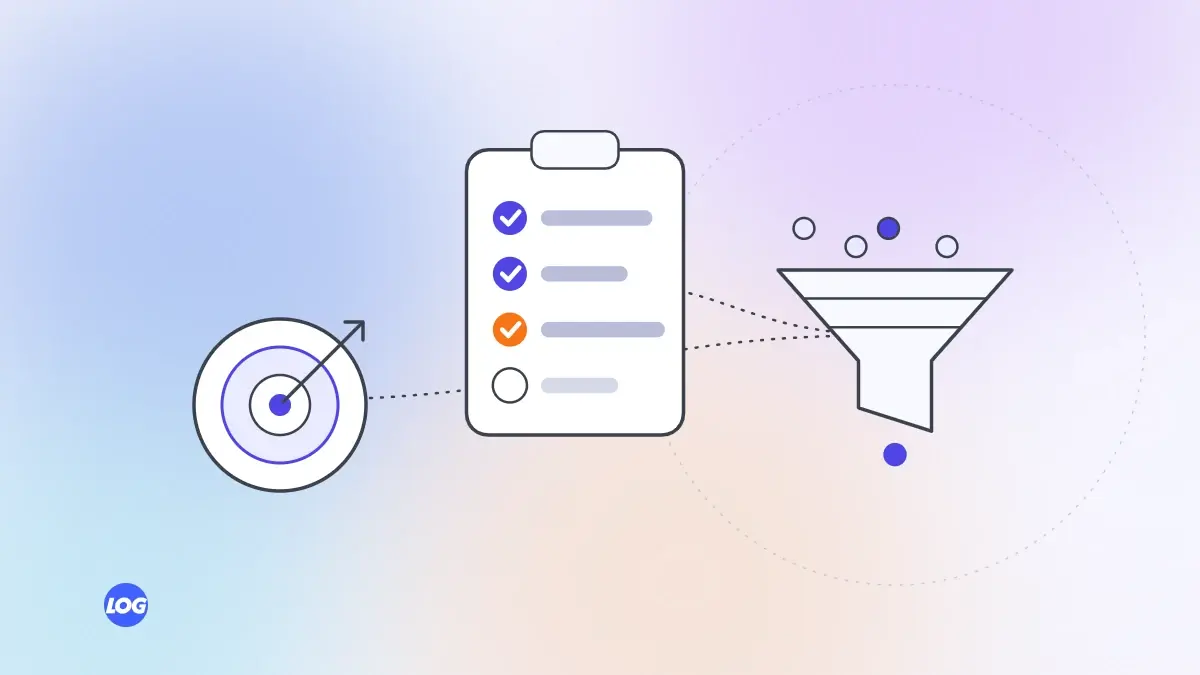
A campaign that brings a hundred leads sounds great until your sales team says most of them never pick up the phone. Lead quality is how likely your leads are to become customers. Improving it often does more for your business than chasing a lower cost per lead. Here is how.
On Google, focus on searches that show intent to buy, add negative keywords for research and job searches, and limit locations to where you serve. On Meta and LinkedIn, check which audiences bring customers, not just leads, and move budget accordingly.
It sounds backwards, but making forms slightly harder can raise quality:
You will get fewer leads, but more of them will be serious.
Say who the offer is for and what it involves. "Interior design for 3BHK apartments in Bengaluru" filters better than "Beautiful interiors". Mention starting points, minimum orders or service areas where relevant, so people who do not fit can rule themselves out.
A page that explains your service, process and who you work with helps people decide before they enquire. Leads from a detailed page are often better informed and more serious than leads from a bare form.
Speed changes everything. A call or WhatsApp message within minutes catches people while they are still interested. Set up instant notifications for new leads and a simple process for who responds.
Ask your sales team to mark each lead: good, maybe or poor. Share this with whoever runs your ads every week. Where possible, import the results into Google Ads and Meta as offline conversions, so the platforms learn which leads become customers and find more like them.
Some poor leads are not people at all. Bots and spam can fill in forms, especially on pages that get a lot of traffic. Spam protection on your forms, checks for obviously fake details and excluding suspicious placements in display campaigns can remove a surprising share of bad leads.
Once you track outcomes, compare campaigns by cost per qualified lead and cost per customer. A campaign with a higher cost per lead can be the best one if its leads buy.
Lead quality is where a good digital marketing ads agency earns its fee: by listening to your sales team and changing campaigns accordingly. Our performance marketing service asks about lead quality every week.
When a client tells us their leads are poor, we first ask their sales team to mark recent leads as good, maybe or poor. The pattern usually points to one or two causes, such as a broad audience, an easy form or a vague offer.
We tighten targeting, add a qualifying question to forms and make offers more specific. Where possible we import which leads became customers into Google Ads and Meta, so the platforms learn what a good lead looks like.
Common causes are broad targeting, very easy forms, vague offers, campaigns optimised for the cheapest leads and slow follow-up. Check each, starting with who the ads reach and how easy the form is.
Adding one or two qualifying questions can filter out people who are not serious. You may get fewer leads, but more will become customers. Test the change and compare cost per customer.
Often, because Google reaches people actively searching while Facebook reaches people who were not looking. Qualifying questions, better creative and quick follow-up can improve Facebook lead quality.
They are results that happen outside the ad platform, such as a lead becoming a customer. Uploading them to Google Ads or Meta helps the platforms learn which leads are valuable.
As fast as possible, ideally within minutes during business hours. Interest fades quickly, especially for leads from social media. Instant notifications and a clear process help.
Performance marketing4 min read
The planning, creative, tracking, testing and reporting that happen behind every well-run paid campaign.
Performance marketing4 min read
How B2B businesses can use LinkedIn ads to reach the right job titles and companies, and judge results by sales pipeline.

Performance marketing4 min read
How to plan Facebook and Instagram ads that bring enquiries: objectives, audiences, creative, lead forms and tracking.