

Performance marketing4 min read
What Does a Digital Marketing Ad Agency Do? A Look Inside
The planning, creative, tracking, testing and reporting that happen behind every well-run paid campaign.
We use necessary cookies to make the site work. With your permission, we'd also like to use analytics cookies to see how people use the site, and advertising cookies to measure our ads. You can change your mind at any time. Cookie policy
LinkedIn lets you target people by job title, seniority, industry and company, which no other platform does as precisely. This guide explains how to use LinkedIn ads for B2B lead generation without wasting a budget that can disappear quickly.
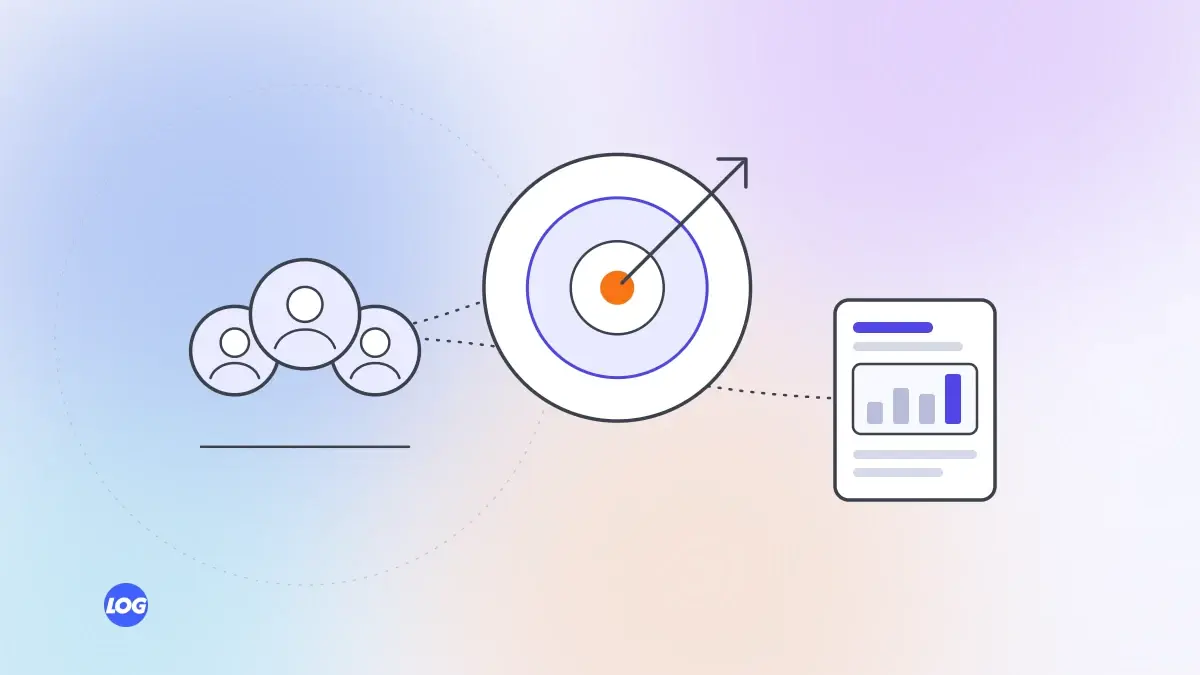
For B2B companies selling to other businesses, the hardest part of advertising is reaching the right people. LinkedIn solves much of that by letting you target professionals by job title, function, seniority, industry, company size and even specific companies. But clicks on LinkedIn usually cost more than on other platforms, so LinkedIn ads for B2B need careful planning.
LinkedIn works best when:
For low-value products or consumer sales, other platforms are usually more cost-effective.
Start with the people who sign off on purchases and those who influence them. For example, a manufacturer of industrial doors might target facility managers, architects and procurement heads in construction and real estate firms above a certain size. Avoid stacking too many filters at once, which can make the audience too small to deliver.
Matched audiences let you target your website visitors or upload lists of target companies, in line with privacy law, which suits account-based marketing.
Decision makers are busy. A strong offer gives them a reason to act: a practical guide, a case study, a free assessment, a demo or a short consultation. "Contact us" alone rarely works on LinkedIn.
Connect lead gen forms or your website forms to your CRM or a spreadsheet, and follow up quickly. Ask your sales team to mark which leads are qualified, and which become meetings and opportunities. That is the real measure of LinkedIn performance.
B2B buyers rarely sign after one ad. A typical path is an ad, a visit to your website, a download, a few weeks of thought, a conversation with colleagues and then a meeting. Judge LinkedIn over a sales cycle, not a single week, and keep in touch with people who downloaded a guide but did not book a call yet.
Many B2B buyers see a LinkedIn ad, then later search for your company on Google. Running LinkedIn alongside Google Ads and SEO helps capture that demand. Organic LinkedIn posts from your company and team also build familiarity that makes ads work better.
Many digital marketing firms run LinkedIn ads only occasionally. Ask for B2B examples before you hire. Our performance marketing service runs LinkedIn, Google and Meta as one plan.
For B2B clients, we start by listing the roles that buy and influence buying, then build a LinkedIn audience around them with a modest budget. The first offer is usually something practical, such as a guide, case study or assessment, rather than a plain contact form.
Leads go straight to the client's sales team, and each week we ask which ones were qualified. Reports show leads, qualified leads and meetings, so the client can see real pipeline, not just form fills.
They can be, when your customers are businesses, you know which roles buy and a customer is worth enough to justify higher costs. Judge them by qualified meetings and pipeline, not just lead count.
LinkedIn offers precise professional targeting and reaches decision makers, so competition for those audiences is high. The higher cost can be worth it if the leads are more valuable.
They are forms that open inside LinkedIn and fill in the member's details from their profile. They make it easy for busy professionals to enquire without leaving the platform.
Upload a list of target companies as a matched audience and combine it with job function or seniority, in line with privacy law. This suits account-based marketing for high-value deals.
Both help. Organic posts from your company and team build familiarity and trust. Ads reach specific audiences beyond your followers. Many B2B companies use both together.
Performance marketing4 min read
The planning, creative, tracking, testing and reporting that happen behind every well-run paid campaign.

Performance marketing4 min read
How to plan Facebook and Instagram ads that bring enquiries: objectives, audiences, creative, lead forms and tracking.
Performance marketing4 min read
How to calculate cost per lead, work out what you can afford and lower it without sacrificing lead quality.