
Websites4 min read
How to Build a Website That Converts Visitors Into Enquiries
The parts of a website that turn visitors into enquiries: clear messages, trust, easy contact options and speed.
We use necessary cookies to make the site work. With your permission, we'd also like to use analytics cookies to see how people use the site, and advertising cookies to measure our ads. You can change your mind at any time. Cookie policy
An online store has more moving parts than a normal website: products, stock, payments, delivery and returns. This guide covers ecommerce website development from the planning stage, so your store is built to sell from day one.
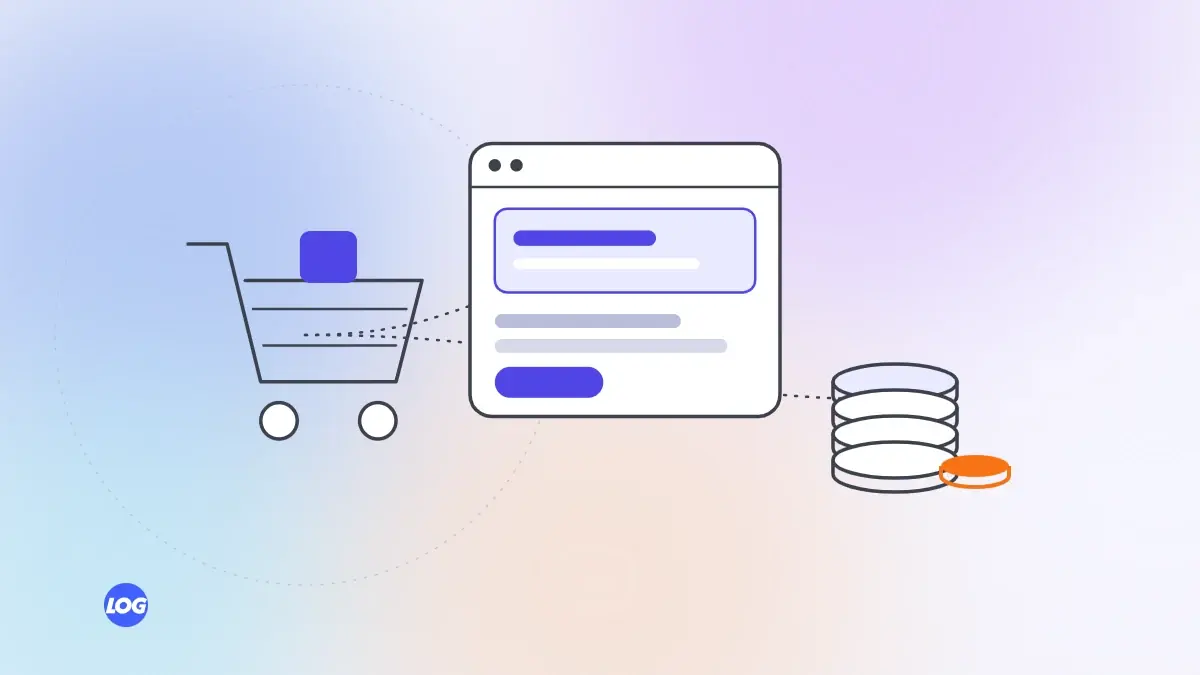
Building an online store is not just about putting products on a website. Ecommerce website development involves choosing the right platform, organising your catalogue, setting up payments and delivery, and making sure customers can find and buy easily on a phone. Planning these before you build saves time and money later.
Options range from hosted platforms such as Shopify to WooCommerce on WordPress and custom-built stores. Consider:
Plan categories around how customers shop and search, not just how your warehouse is organised. Clear categories and filters help customers find products and help search engines understand your store.
Each product page should include:
Most abandoned carts happen at checkout. Keep it short:
Choose shipping partners for your delivery areas, set clear delivery times and publish a simple returns policy. Clear policies reduce hesitation and customer service questions.
Most shoppers browse on phones. Compress product images, limit heavy apps and test the full journey, from search to payment, on a mid-range phone over mobile data.
Plan category and product page structure, unique descriptions, product structured data and redirects if you are moving from an old store. Our SEO tips cover the basics.
Set up ecommerce tracking, so you can see revenue, conversion rate and top products by source. Connect it to Google Ads and Meta if you advertise.
Use a secure platform and payment gateway, show contact details and policies clearly, and follow data protection rules for customer information.
Many Indian stores also sell on marketplaces. If you do, decide how stock and prices will stay in step between your own store and each marketplace, so customers do not order items that are already sold out. Your own store is where you control the brand, the customer relationship and the margins, so give shoppers reasons to buy there directly.
A store needs ongoing work: new products, seasonal campaigns, stock updates and improvements based on data. Budget time and money for it.
Ecommerce is one of the more demanding services digital marketing and web teams provide, because the website, ads and search all affect sales. Our website design and development service builds stores with SEO, tracking and speed planned from the start.
Before building a store, we map the catalogue: categories, variants, how many products and who will manage them. That decides the platform. We plan payments, delivery and returns with the client's team, so the checkout matches how orders are really handled.
SEO structure, product structured data, ecommerce tracking and speed checks are part of the build, not added later. After launch, monthly reports show revenue and conversion rate by source.
It depends on catalogue size, your team, integrations and growth plans. Hosted platforms are quick to start, WooCommerce suits WordPress users and custom builds suit complex needs. Compare total costs, including fees and apps.
Offer the options your customers use, commonly UPI, cards, net banking and wallets, plus cash on delivery if it suits your business and margins.
Allow guest checkout, show delivery costs early, keep forms short, offer popular payment options, make the store fast on phones and display clear return policies.
Yes, where possible. Copied manufacturer descriptions appear on many sites and give search engines little reason to rank yours. Start with your best-selling products.
It depends on the platform, catalogue size, features and how quickly product content is ready. Product photos and descriptions are often the biggest cause of delays.
Websites4 min read
The parts of a website that turn visitors into enquiries: clear messages, trust, easy contact options and speed.
Websites4 min read
A fair comparison of Next.js and WordPress for business websites: speed, editing, security, flexibility and cost.

Websites4 min read
Why speed affects enquiries and rankings, how to test it properly and the fixes that make the biggest difference.