
Reputation4 min read
What Is Online Reputation Management? A Guide for Businesses
What reputation management covers, why it matters to every business and how to do it honestly.
We use necessary cookies to make the site work. With your permission, we'd also like to use analytics cookies to see how people use the site, and advertising cookies to measure our ads. You can change your mind at any time. Cookie policy
What is performance marketing? It is advertising judged by results you can count: leads, bookings and sales. This guide explains how it works, the channels it uses and the numbers that tell you whether it is paying back.
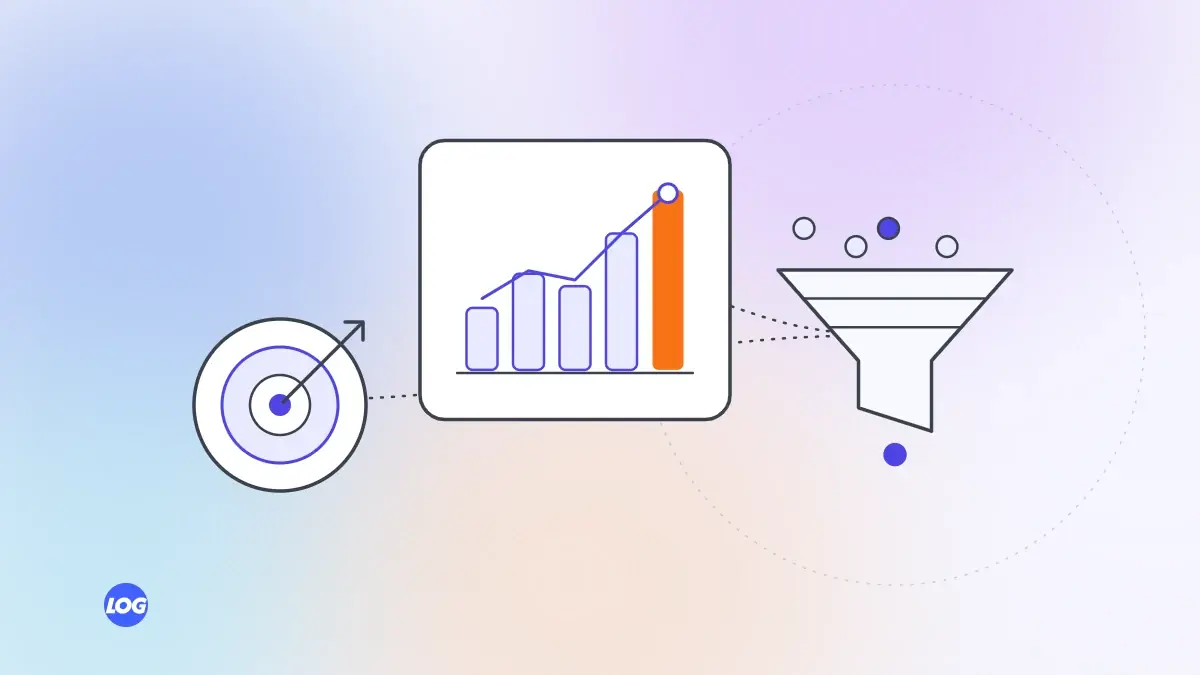
Traditional advertising often paid for attention: a billboard, a newspaper ad or a TV spot seen by many people. What is performance marketing, then? It is advertising where every campaign is judged by results you can count, such as enquiries, bookings and sales, and where budget moves to whatever brings those results at a cost you can afford.
The basic loop is simple:
Clicks, impressions and reach help explain changes, but they are not the goal.
Tracking before spending. Calls, forms, WhatsApp messages and sales must be counted from the start.
Knowing what a customer is worth. This tells you how much you can afford to pay for a lead or a sale.
Good landing pages. Ads bring people to a page; the page turns them into enquiries.
Steady testing. New ads, audiences and offers are tested regularly, and winners kept.
Honest feedback on lead quality. Your sales team's view of which leads were good helps campaigns find more of them.
Performance marketing works better when people already know and trust your name. Ads for a brand people recognise usually get more clicks and cheaper leads than ads for an unknown business. That is why many businesses keep some spending on content, social media and reputation, even though it is harder to measure directly.
Performance marketing suits almost any business where a new customer is worth more than the cost of winning one, and where results can be tracked. It is less suitable when sales take place entirely offline with no way to connect them back to ads, though even then, enquiries can usually be tracked.
A digital marketing ad agency that specialises in performance work should talk about these numbers from the first conversation. Our performance marketing service starts with tracking and reports cost per lead every month.
Before any campaign, we ask what a customer is worth and how many enquiries usually become customers. That gives a target cost per lead. Then we set up tracking for calls, forms, WhatsApp and sales and test it by hand.
Campaigns run on the one or two channels most likely to reach your buyers. Every week we move budget towards what works, and every month you see spend, leads, cost per lead and lead quality.
It is paid advertising judged by results you can count, such as enquiries, bookings and sales, with budget moved towards whatever brings those results at an affordable cost.
Brand marketing builds awareness and reputation over time, and is harder to measure directly. Performance marketing focuses on measurable actions now. Most businesses benefit from some of both.
Mainly Google Ads, Meta ads on Facebook and Instagram, and LinkedIn ads for B2B, plus YouTube, marketplaces and affiliates depending on the business.
Enough to gather useful data on at least one channel over several weeks. The right amount depends on your market and what a customer is worth. Start with what you can sustain and scale what pays back.
Compare your cost per lead or per sale with what a customer is worth, and check how many leads become customers. If customers cost less than they bring in, it is working.
Reputation4 min read
What reputation management covers, why it matters to every business and how to do it honestly.

SEO4 min read
A jargon-free explanation of what SEO is, how Google decides what to show and why search matters for almost every business.
Websites4 min read
Why website quotes vary so much, the factors that drive the price and how to compare proposals fairly.