

SEO4 min read
What Is SEO in Digital Marketing? A Plain Guide
A jargon-free explanation of what SEO is, how Google decides what to show and why search matters for almost every business.
We use necessary cookies to make the site work. With your permission, we'd also like to use analytics cookies to see how people use the site, and advertising cookies to measure our ads. You can change your mind at any time. Cookie policy
Before customers call, they search your name and read what others say. What is online reputation management? It is the honest work of improving what people find: reviews, search results and mentions. This guide explains what it covers and how to do it well.
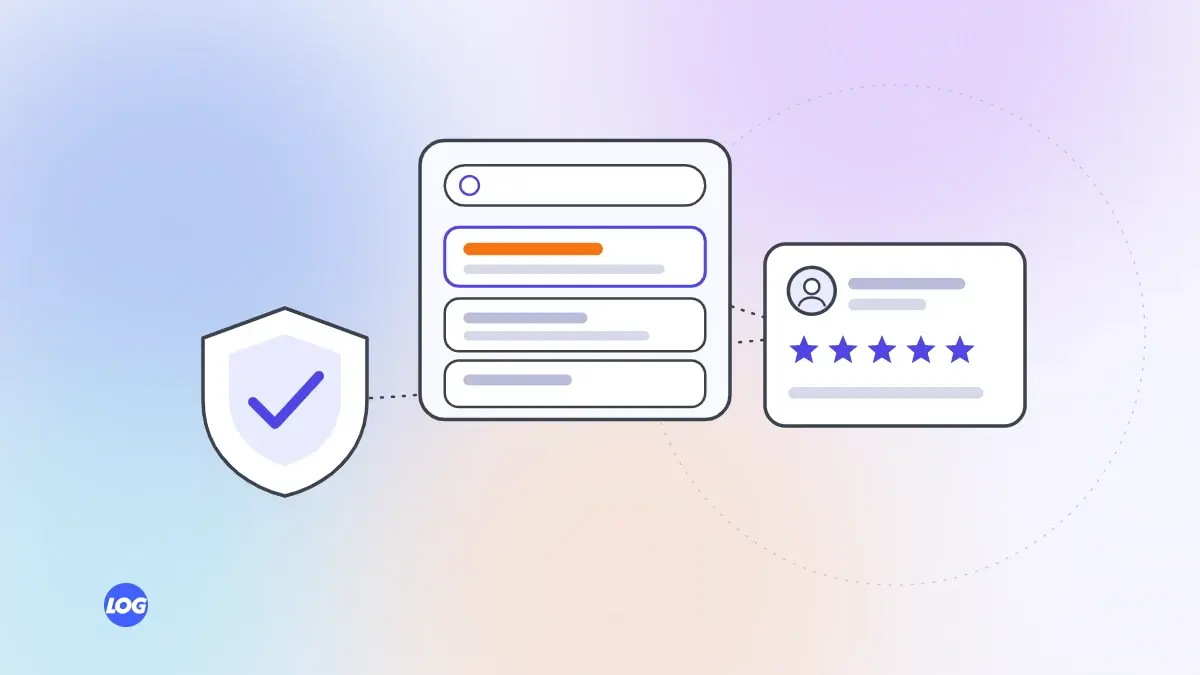
What is online reputation management? It is the work of understanding, protecting and improving what people find when they look up your business online: your reviews, the search results for your name, mentions on social media and news, and how you respond to all of them. For most businesses, it has a direct effect on enquiries, because customers check before they contact you.
Most people read reviews before choosing a clinic, restaurant, builder, school or service provider. A few unanswered complaints, an outdated listing or a negative article on the first page of results can send customers to a competitor without you ever knowing. A strong reputation does the opposite: it makes choosing you feel safe.
Reviews. Collecting genuine reviews on Google and relevant platforms, replying to them and learning from them.
Search results for your name. Making sure that when people search your business name, they find accurate, helpful pages: your website, your Google Business Profile, your social profiles and positive coverage.
Listings and details. Keeping your name, address, phone number and hours consistent across directories, so people do not find wrong information.
Mentions and conversations. Monitoring what people say about you on social media, forums and news sites, and responding where it helps.
Response to problems. Having a plan for complaints, negative coverage or a crisis.
These practices break Google's policies and can breach Indian consumer protection rules. They also tend to be discovered, which damages trust far more than the original complaint.
Every business with customers who search before buying: clinics, restaurants, schools, builders, hotels, retailers, professional services and B2B suppliers. The more customers rely on reviews, the more it matters.
Track your average rating, the number and recency of reviews, how quickly you reply, what appears on the first page for your name and the general tone of mentions. Changes in these often show up later in enquiries.
When comparing digital marketing and advertising companies for reputation work, ask exactly how they get reviews. Our online reputation management service uses honest methods only.
We start every reputation project by searching the client's name and reading every review and reply. That shows what customers actually see and which complaints come up repeatedly.
Then we fix listings, set up a review routine that asks every customer, not only happy ones, and reply to reviews in the client's voice. We never write or buy reviews. Monthly reports show rating, review volume, reply time and what appears for the business name.
It is the work of understanding and improving what people find when they look up your business online, including reviews, search results for your name, listings and mentions, using honest methods.
Genuine reviews cannot be removed just because they are negative. Reviews that break platform rules, such as spam, hate speech or conflicts of interest, can be reported. The best response to genuine criticism is a helpful reply and a fix.
Fake or paid reviews can breach consumer protection rules and break platform policies. India has a standard for online reviews that requires them to be genuine. Avoid them entirely.
Fixing listings and replying to reviews can show results within weeks. Building a strong base of recent, genuine reviews and better search results usually takes several months of steady work.
Yes, often more than large ones, because a few reviews or one complaint can have a big effect. A simple routine for asking for reviews and replying goes a long way.
SEO4 min read
A jargon-free explanation of what SEO is, how Google decides what to show and why search matters for almost every business.

Websites4 min read
Why website quotes vary so much, the factors that drive the price and how to compare proposals fairly.

Social media4 min read
How to choose the right platforms, plan content you can keep up and measure social media by enquiries rather than likes.