

Performance marketing4 min read
What Does a Digital Marketing Ad Agency Do? A Look Inside
The planning, creative, tracking, testing and reporting that happen behind every well-run paid campaign.
We use necessary cookies to make the site work. With your permission, we'd also like to use analytics cookies to see how people use the site, and advertising cookies to measure our ads. You can change your mind at any time. Cookie policy
ROAS tells you how much revenue your ads bring back for every rupee spent. This guide explains how to calculate it, how to work out the ROAS you need to break even and why profit matters more than revenue.
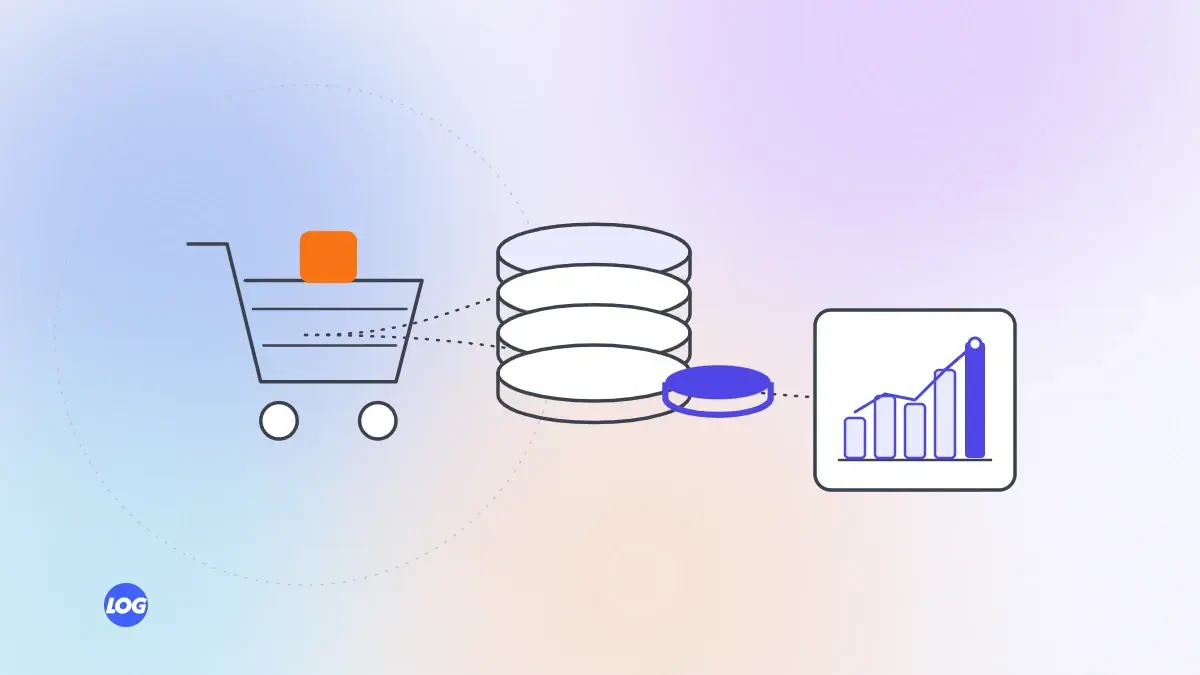
ROAS, or return on ad spend, is the main number most online stores use to judge advertising. It is simple to calculate and easy to compare across campaigns. But a ROAS figure only means something when you know your margins. Here is how to use it properly.
Divide the revenue that came from your ads by what you spent on those ads. If a campaign brought in revenue four times larger than its cost, its ROAS is 4, often written as 4x or 400 percent.
Most ad platforms report ROAS automatically when purchase values are tracked. Make sure your tracking sends the correct order value with each sale.
Revenue is not what you keep. From each sale you also pay for:
A campaign can show a healthy-looking ROAS and still lose money if margins are thin.
Your break-even ROAS is the point where ad spend equals the profit from the sales it brought. A simple way to estimate it: divide 1 by your profit margin before ad costs.
If your margin before ads is 50 percent, break-even ROAS is about 2. If your margin is 25 percent, it is about 4. Below break-even, the ads lose money on first purchases.
Some customers buy again. If your store has strong repeat purchases, a first-sale ROAS near break-even can still be profitable over the customer's lifetime. Be honest about how many customers actually return before relying on this.
Margins differ across products. Group products by margin and set different ROAS targets for each: lower targets for high-margin products and higher targets for low-margin ones. This stops ads favouring popular products that make little profit.
For businesses that generate leads rather than online sales, ROAS is hard to measure because revenue arrives later and offline. Cost per lead and cost per customer usually work better. You can still estimate ROAS by importing which leads became customers and their value.
Ad platforms count a sale when someone who saw or clicked an ad later buys, within a set window. Some of those people would have bought anyway, and some orders are later cancelled or returned. Once a month, compare the revenue the platforms report with the revenue in your own store records, after returns, so targets are based on real sales.
ROAS can rise simply because you cut spending to only your most loyal customers, while total profit falls. Track total profit from ads alongside ROAS, and grow spending while profit grows.
A digital marketing ad agency running ecommerce campaigns should ask about your margins before setting targets. Our performance marketing service sets ROAS targets by product group from your actual margins.
For online stores, we ask for margins by product group before setting any target. That gives a break-even ROAS for each group, and targets are set above it.
We check that purchase values are tracked correctly, group products by margin in Shopping and Performance Max, and report ROAS and estimated profit by group each month, so growth in revenue does not hide falling profit.
ROAS means return on ad spend: the revenue from your ads divided by what you spent on them. It is the main measure most online stores use to judge advertising.
It depends on your margins. A good ROAS is one above your break-even point, which you can estimate by dividing 1 by your profit margin before ad costs. Low-margin products need a higher ROAS.
ROAS compares revenue with ad spend only. ROI compares profit with all costs. A campaign can show a strong ROAS but a poor ROI if product, delivery and other costs are high.
It is harder, because revenue comes later and often offline. Cost per lead and cost per customer usually work better. Importing which leads became customers lets you estimate ROAS.
Usually because margins are thin, returns are high or the ads favour low-margin products. Set targets by product group based on margins, and track profit alongside ROAS.
Performance marketing4 min read
The planning, creative, tracking, testing and reporting that happen behind every well-run paid campaign.
Performance marketing4 min read
How B2B businesses can use LinkedIn ads to reach the right job titles and companies, and judge results by sales pipeline.

Performance marketing4 min read
How to plan Facebook and Instagram ads that bring enquiries: objectives, audiences, creative, lead forms and tracking.