

Performance marketing4 min read
What Does a Digital Marketing Ad Agency Do? A Look Inside
The planning, creative, tracking, testing and reporting that happen behind every well-run paid campaign.
We use necessary cookies to make the site work. With your permission, we'd also like to use analytics cookies to see how people use the site, and advertising cookies to measure our ads. You can change your mind at any time. Cookie policy
Picking a round number for marketing is easy; picking one that pays back takes a little more thought. This guide shows how to set a digital marketing budget from your goals and customer value, split it sensibly and adjust it as results arrive.
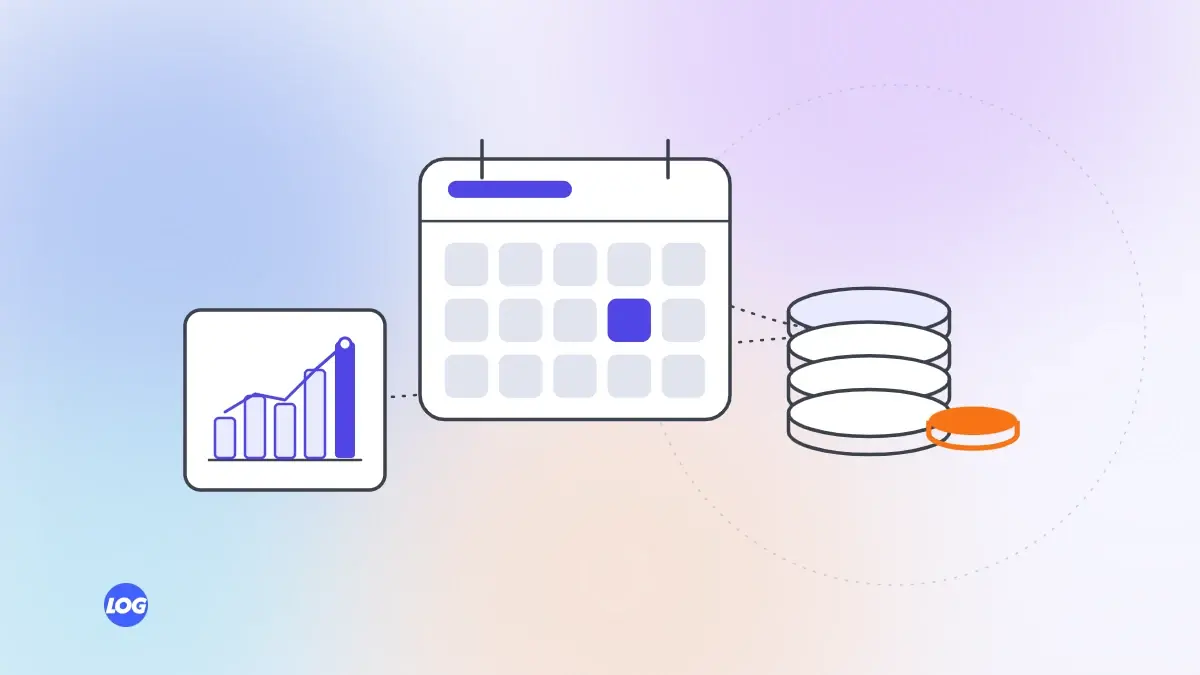
Many businesses set a digital marketing budget by guessing: a round number that feels safe. The problem is that a guess cannot tell you whether the budget is too small to work or larger than it needs to be. A better approach starts from your goals and what a customer is worth. We do not give figures here, because the right amount differs for every business.
Be specific. "More business" is not a goal; "twenty new customers a month" or "double online sales by next year" is. The goal decides how much marketing you need.
Estimate the profit from a typical new customer, either from the first purchase or over a typical relationship if customers return. This tells you the most you could spend to win one and still break even.
If the result is more than you can afford, reduce the goal or improve the numbers, for example by raising the share of leads that buy.
A budget split across six channels often leaves each one too small to learn or compete. Most businesses do better funding one or two channels properly:
Add others when the first ones pay back.
Remember the costs around the ads:
A large ad budget sent to a weak website wastes money.
New campaigns need time to learn. Plan for an initial test of a few months with a budget large enough to gather meaningful data. Agree in advance what results would justify continuing, increasing or stopping.
Each month, look at cost per lead and cost per customer by channel. Move budget towards what works and away from what does not. Raise spending only when the numbers support it.
Set aside a small part of the budget for tests and opportunities: a new campaign type, a promising audience or a competitor dropping out of the auction. Testing in a controlled way, with a clear result to look for, is how a budget improves over time instead of staying the same every month.
Most businesses have busy and quiet periods. Festivals, weather and financial year-ends change demand. Spend more when buyers are active, and use quieter months for SEO, content and website work.
When comparing proposals from digital marketing firms, ask how each one arrived at its suggested budget. A good answer starts with your goals and customer value. Our performance marketing service builds budgets this way.
When a client asks how much to spend, we start with their goal and what a customer is worth, then work backwards to the number of leads needed and a realistic cost per lead for their market.
Usually we suggest funding one channel for quick enquiries and one for the long term, with a test period agreed in advance. Each month we show cost per lead and per customer by channel, and suggest where the next rupee should go.
It depends on your goals, what a customer is worth and what leads cost in your market. Work backwards from the number of customers you want, and start with a test budget large enough to learn from.
Fund one or two channels properly rather than many thinly: usually one for quick enquiries, such as Google Ads, and one for the long term, such as SEO. Add others when the first ones pay back.
Yes, when judging overall return. Plan for ad spend, fees, content, website work and tools together, so you know the full cost of winning a customer.
Usually a few months, long enough to gather meaningful data. Agree before you start what cost per lead or per customer would justify continuing.
When a channel brings customers for less than they are worth and there is room to grow. Increase gradually and watch whether cost per customer stays affordable.
Performance marketing4 min read
The planning, creative, tracking, testing and reporting that happen behind every well-run paid campaign.
Performance marketing4 min read
How B2B businesses can use LinkedIn ads to reach the right job titles and companies, and judge results by sales pipeline.

Performance marketing4 min read
How to plan Facebook and Instagram ads that bring enquiries: objectives, audiences, creative, lead forms and tracking.