
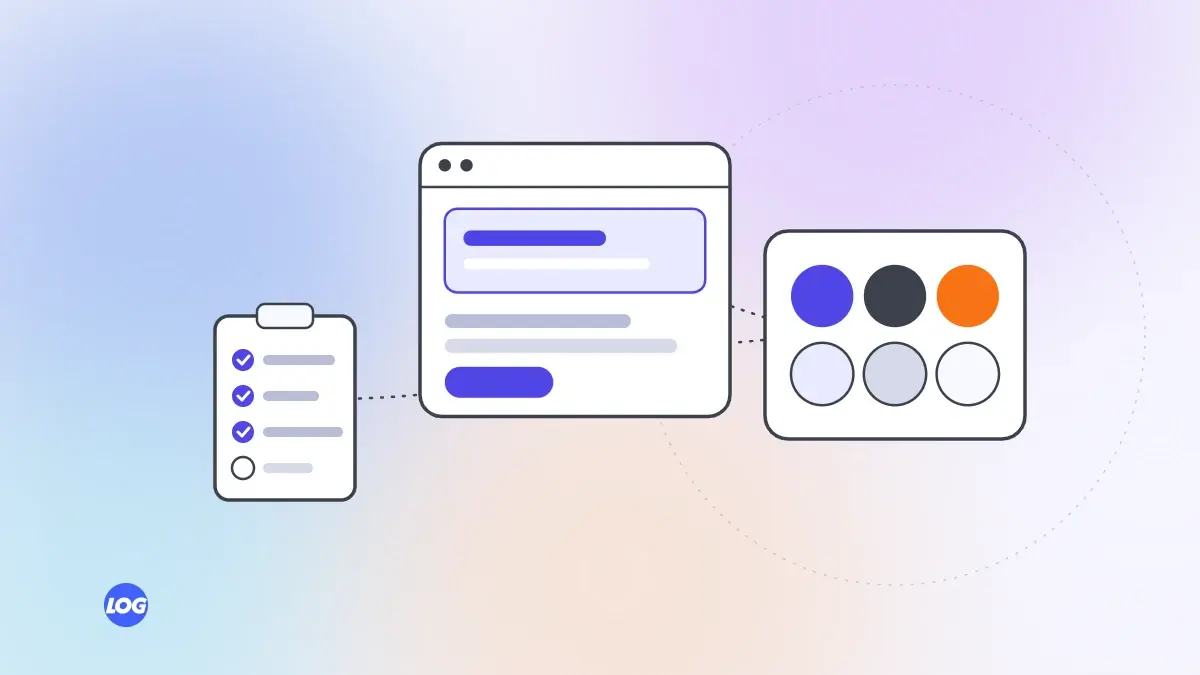
Branding5 min read
Brand Identity: The Elements Every Business Needs
The building blocks of a brand identity, from logo and colours to type, imagery and templates, and how they fit together.
We use necessary cookies to make the site work. With your permission, we'd also like to use analytics cookies to see how people use the site, and advertising cookies to measure our ads. You can change your mind at any time. Cookie policy
Customers recognise businesses by how they sound as well as how they look. This guide explains how to define your brand voice, describe it in simple rules with examples and keep it consistent across your website, social media, emails and WhatsApp.

Two businesses can sell the same service, yet one feels warm and approachable while the other feels formal and distant. Much of that difference comes from how they write and speak. Your brand voice is the consistent personality in your words: on your website, in ads, social posts, emails, WhatsApp replies and phone calls.
Your voice stays the same; your tone adapts. You might be friendly and plain-spoken everywhere, but more careful and serious when replying to a complaint, and more playful in a festive social post.
Look at your positioning and customers. A children's dentist and a structural engineering firm need different voices. Ask: how would our best customers like us to talk to them?
Pick a few words that describe how you want to sound, and define each with a contrast:
The contrasts stop people taking a word too far.
Turn the words into practical guidance:
Examples teach faster than rules. Write a few real samples in your voice:
Show a "before" and "after" for common messages.
If you communicate in several languages, such as English, Tamil or Hindi, define how your voice carries across them. A native speaker should review translations so the personality is not lost.
Your voice is not only written. Phone greetings, how staff introduce themselves, how voicemail sounds and how people speak at events all carry your brand. Share a few spoken examples with front-line staff, such as how to answer the phone and how to explain prices, so customers hear the same personality they read online.
Put the voice guide where everyone can find it: your team, agency, freelancers and anyone who answers customers. Review new content against it.
Review your voice once a year. As your business grows, your voice may mature, but it should change on purpose, not by accident.
Brand voice is often overlooked in the services digital marketing teams provide, yet it shapes every word they write for you. Our branding service defines your voice with practical examples your team can follow.
To define a brand voice, we read the client's existing website, posts, emails and WhatsApp replies, and talk to their team about how they speak to customers. We then choose three or four voice words, each with a "this, not that" contrast.
The guide we hand over includes simple rules, before-and-after examples and sample replies for common situations, including complaints. Everyone who writes for the business gets a copy.
Brand voice is the consistent personality in how your business writes and speaks, across your website, ads, social media, emails, messages and calls.
Voice is your consistent personality. Tone adapts it to the situation, for example more serious when handling a complaint and lighter in a festive social post.
Choose three or four words, each with a contrast such as "friendly, not overfamiliar", then add simple writing rules and real examples of messages in your voice.
The voice should stay the same, while the tone and format adapt. LinkedIn may be more formal than Instagram, but your business should still sound recognisably like itself.
Everyone who writes or speaks to customers: your team, agency, freelancers and anyone answering calls, emails, reviews or WhatsApp messages. Share the guide with each of them and include it in new staff training.
Branding5 min read
The building blocks of a brand identity, from logo and colours to type, imagery and templates, and how they fit together.

Branding5 min read
What branding really means for a small business, and a simple plan to build a brand customers remember and trust.

Branding4 min read
When a rebrand makes sense, the difference between a refresh and a full rebrand, and how to roll it out without losing customers.