

Influencer marketing4 min read
Influencer Marketing in India: A Practical Guide for Brands
How brands can plan influencer campaigns that bring customers: choosing creators, briefs, rules and measurement.
We use necessary cookies to make the site work. With your permission, we'd also like to use analytics cookies to see how people use the site, and advertising cookies to measure our ads. You can change your mind at any time. Cookie policy
Paid and gifted influencer posts must be clearly labelled in India. This guide explains influencer disclosure rules from a brand's point of view: when a post must be disclosed, how labels should appear and why your business shares responsibility.
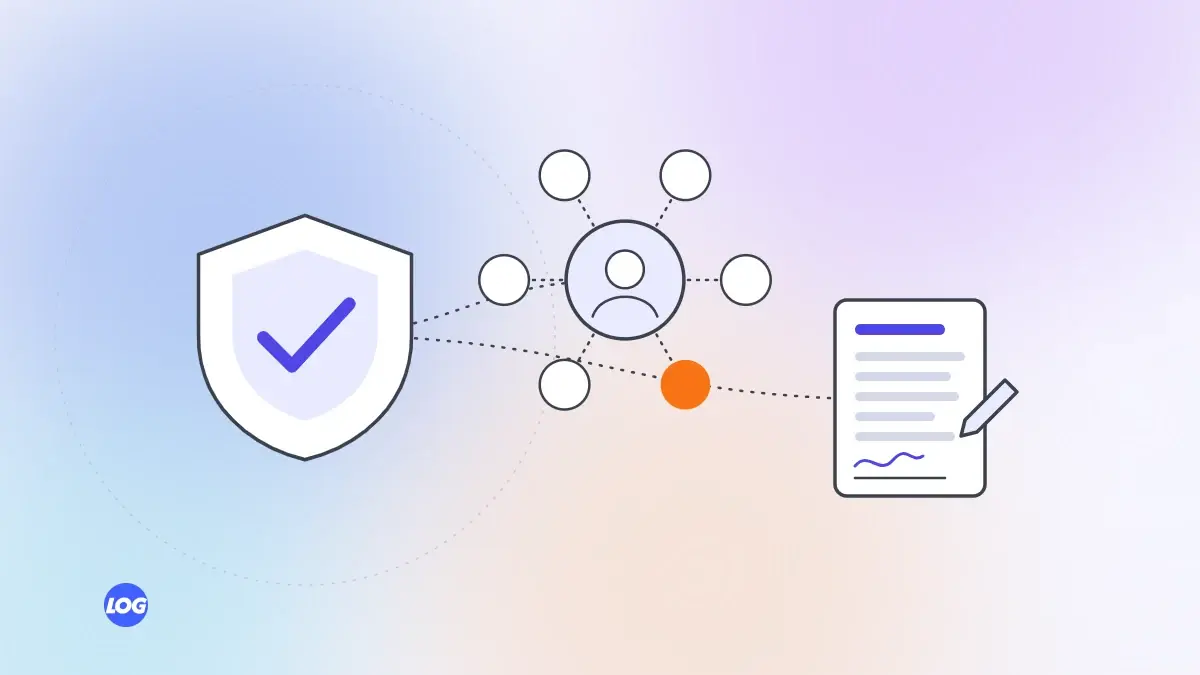
Influencer marketing works because audiences trust creators. Disclosure rules exist to protect that trust: people should know when a creator is being paid or rewarded to talk about a product. In India, advertising guidelines and government guidance set clear expectations, and brands share responsibility for following them. This guide explains the influencer disclosure rules in plain terms. It is general guidance, not legal advice.
Disclosure is needed when there is a material connection between the creator and the brand, such as:
It applies whether the post is a review, an unboxing, a mention or a recommendation.
Platform tools such as paid partnership labels help, but the guidance generally expects clear disclosure in the content as well.
Claims about health, nutrition, finance and investments carry higher risks for consumers. Guidelines expect creators giving specialist advice to have suitable qualifications, and some sectors have their own regulators. Brands in these areas should check claims carefully and take advice.
Disclosure does not make a misleading claim acceptable. Creators should only say what is true and what they have genuinely experienced. Brands should give accurate product information and not ask creators to exaggerate.
Brands commission the content and benefit from it. Guidance expects brands to make sure their partners disclose properly. A non-compliant post can damage your reputation as well as the creator's.
Affiliate links and creator discount codes also create a material connection, because the creator earns from sales. Posts and descriptions that include them should say so clearly, for example "I earn a commission if you buy through this link". The same applies to stories and pinned comments that carry the link.
Audiences generally accept sponsored content when it is honest and relevant. Clear disclosure protects your brand, your creators and your customers.
Many digital marketing and advertising companies now include compliance checks in influencer work. Ask how yours does it. Our influencer marketing service puts disclosure in every brief and checks content before it goes live.
Every influencer brief and contract we write includes the disclosure requirement: a clear label such as "Ad" or "Collaboration", visible in the content itself and, for videos, said out loud. We review each post before it goes live, checking both the label and the claims.
For health, finance and other sensitive products, we check claims with the client and recommend advice where needed. Approvals and agreements are kept on record.
Yes. Paid, gifted and other sponsored posts should be clearly labelled under advertising guidelines and government guidance on endorsements, using words such as Ad, Sponsored or Collaboration.
It helps, but guidance generally expects disclosure to be clear and prominent in the content itself too, such as on the image or video and in spoken words for videos.
Yes. Receiving free products, services or experiences is a material connection, so posts about them should be disclosed, even if no money was paid.
Both the creator and the brand can be held responsible. Brands should include disclosure in briefs and contracts and check content before it goes live.
Yes. Specialist advice on health, nutrition or finance carries higher standards, including expectations of suitable qualifications, and some sectors have their own regulators. Take advice for these areas.
Influencer marketing4 min read
How brands can plan influencer campaigns that bring customers: choosing creators, briefs, rules and measurement.

Influencer marketing4 min read
Why smaller creators with close communities often bring better results for their cost, and how to work with them.

Influencer marketing4 min read
Where to find creators, how to check their audience is real and right for you, and what to ask before booking.