

Influencer marketing4 min read
Influencer Marketing in India: A Practical Guide for Brands
How brands can plan influencer campaigns that bring customers: choosing creators, briefs, rules and measurement.
We use necessary cookies to make the site work. With your permission, we'd also like to use analytics cookies to see how people use the site, and advertising cookies to measure our ads. You can change your mind at any time. Cookie policy
Most influencer disagreements come from things nobody wrote down. This influencer contract checklist covers what brands and creators should agree before anyone posts: deliverables, approvals, disclosure, usage rights, payment and what happens if plans change.
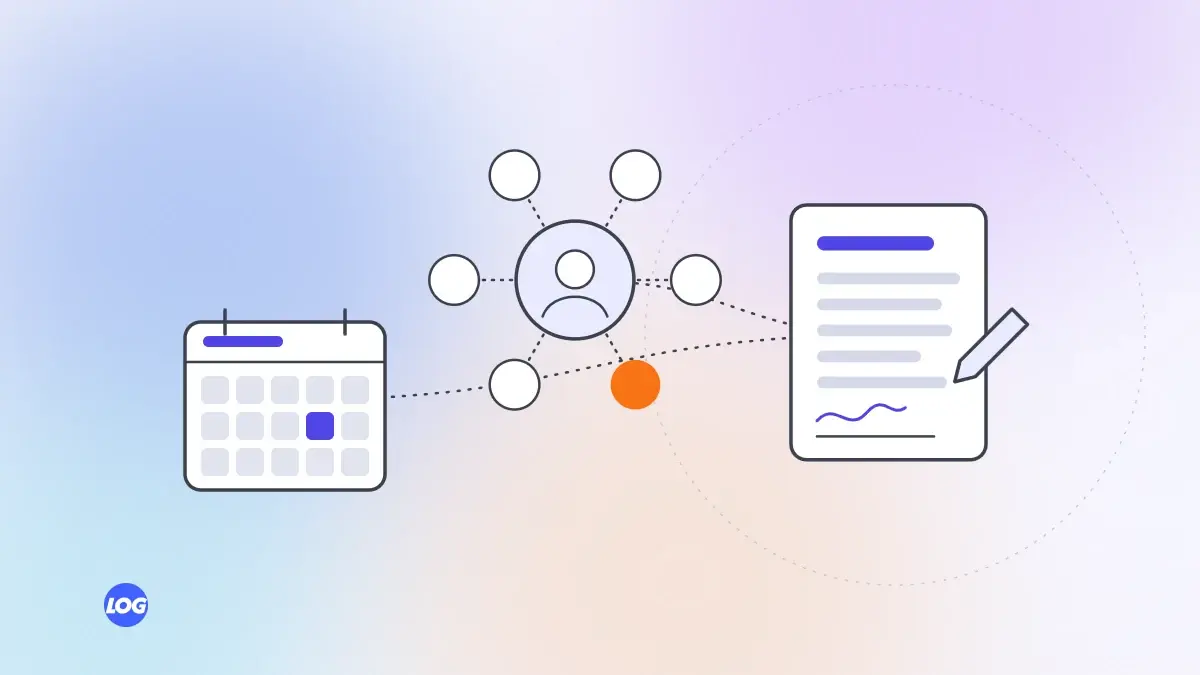
A friendly message exchange is not enough for a paid influencer partnership. When things go wrong, such as a late post, a missing disclosure or a disagreement about reusing content, a clear agreement protects both the brand and the creator. Here is what an influencer contract should cover. It is a practical checklist, not legal advice; for large or complex deals, ask a lawyer to review the contract.
Be specific:
Agree whether the brand will review content before it goes live, how long the review takes and how many rounds of changes are included. Leave room for the creator's style; over-scripted content performs worse.
State that the creator will disclose the partnership clearly, as required by Indian advertising guidelines and platform rules, with an example of acceptable labels.
This is often the most valuable and most overlooked clause:
Usage rights usually affect the fee, so agree them upfront.
If the creator should not work with competitors for a period, define the competitors and the time frame. Exclusivity usually increases cost.
Ask the creator to share post insights, such as reach, views, clicks and saves, within an agreed time after posting.
A short clause about conduct can allow the brand to end the partnership if the creator is involved in serious controversy.
If the campaign collects customer details, such as entries to a giveaway or sign-ups through a creator's link, agree who owns the data, how it will be stored and that it will be used only as people agreed. Giveaways also need clear rules about eligibility, how winners are chosen and when prizes are sent.
Store signed agreements, approvals and posted content with dates. Records help if questions arise later.
Contracts are part of the services digital marketing agencies should handle for influencer campaigns. Our influencer marketing service puts every partnership in writing before anyone posts.
Every creator we work with signs a written agreement before posting. It lists deliverables, dates, approval steps, required disclosure, claims to avoid, usage rights, payment terms and what happens if plans change.
We agree usage rights upfront, because reusing the best creator content in ads often brings the most value. Approvals, posted content and insights are kept on record for each campaign.
Yes, for any paid or significant gifted partnership. A written agreement prevents misunderstandings about deliverables, dates, disclosure, usage rights and payment, and gives both sides a clear reference if something goes wrong.
They define whether and how a brand can reuse a creator's content, such as in ads, on its website or in print, for how long and whether it can be edited.
Usually yes, with a clear review time and a set number of revision rounds. Check facts, claims and disclosure, but avoid over-scripting, because content in the creator's own style tends to perform better with their audience.
Agree the fee, what it includes and the schedule, often part before and part after posting. Cover products, expenses, invoicing and tax details in writing.
The contract should state what happens, such as rescheduling, partial payment or cancellation, and how much notice each side must give. Clear terms make these situations easier and friendlier to resolve.
Influencer marketing4 min read
How brands can plan influencer campaigns that bring customers: choosing creators, briefs, rules and measurement.

Influencer marketing4 min read
Why smaller creators with close communities often bring better results for their cost, and how to work with them.

Influencer marketing4 min read
Where to find creators, how to check their audience is real and right for you, and what to ask before booking.